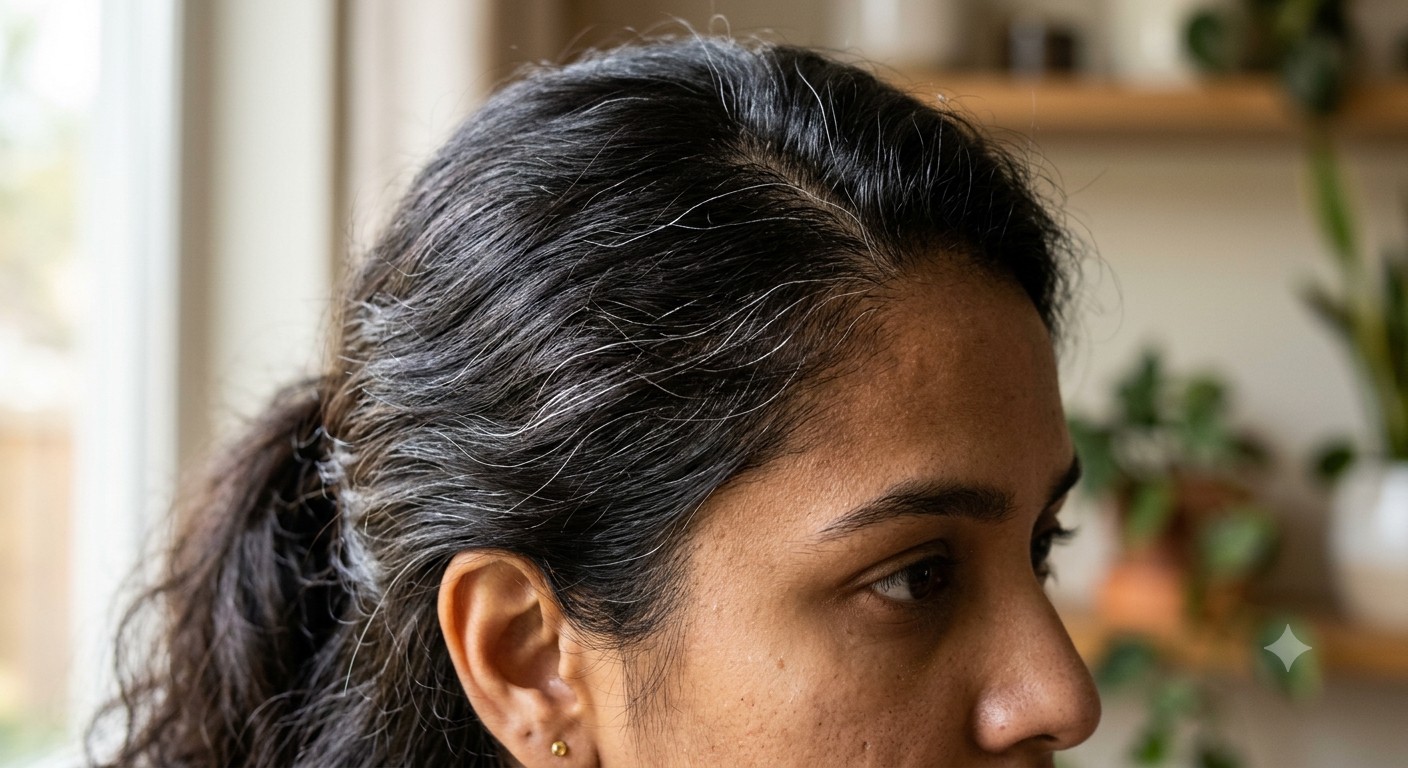
Melasma Homeopathy: Safe Care for Pigmentation on Indian SkinMelasma Homeopathy & Skin Guide
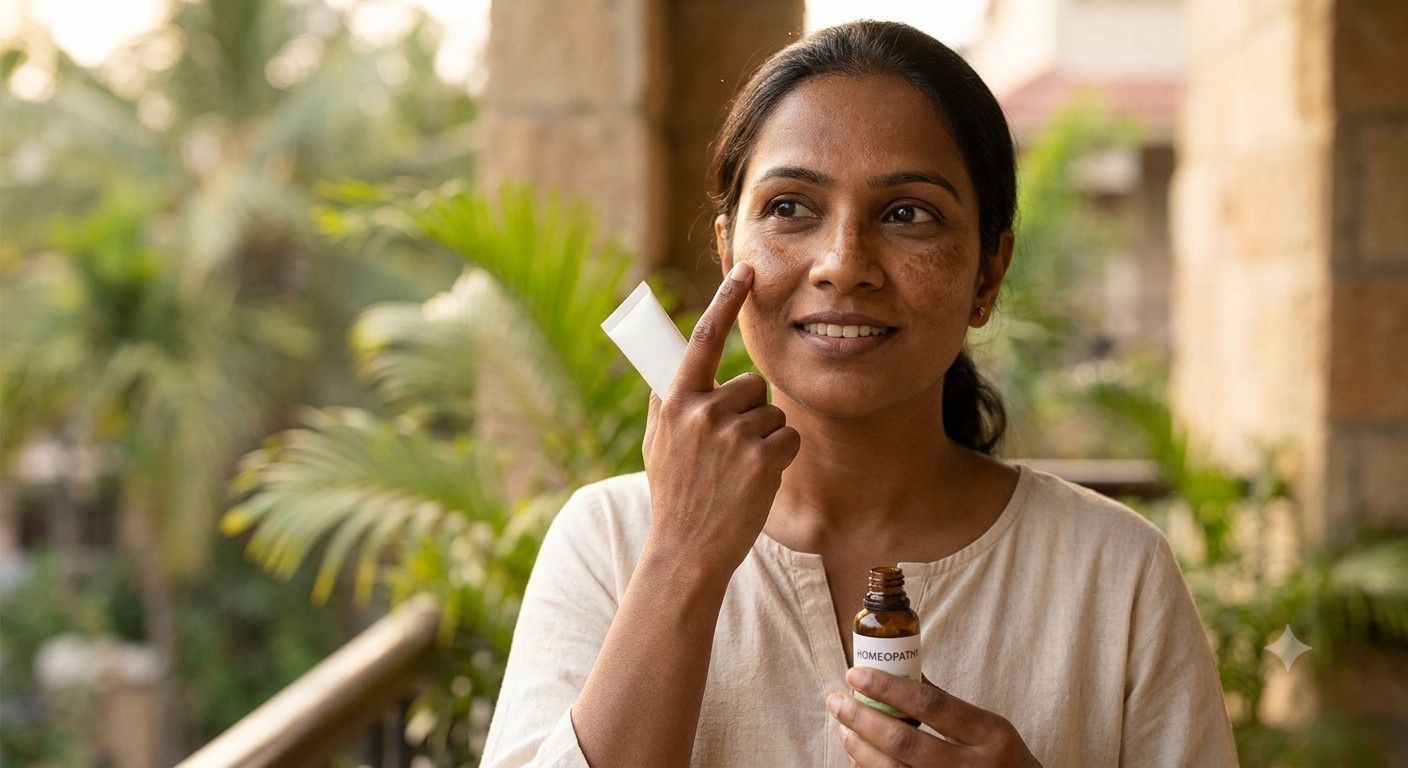
You look in the mirror after applying your usual foundation, but the brownish patches across your cheekbones and upper lip refuse to blend. Maybe it was a beach holiday that brought them out, or perhaps they surfaced during your second trimester and stayed long after the baby was born. Under the harsh overhead lights of a fitting room or in direct sunlight during your morning scooter commute, those shadowy patches feel like the first thing anyone notices.
If you have been searching for melasma homeopathy solutions, you are likely exhausted by over-the-counter tubes promising overnight removal or "crystal fairness." Indian skin is exceptionally rich in melanin, making it resilient in many ways, but prone to deep, stubborn pigmentation when exposed to heat, UV rays, and hormonal shifts. The goal isn't to alter your natural skin tone—it is to calm hyperactive pigment cells so your skin looks even, healthy, and comfortable in daylight.
Here is an honest, practical look at how melasma behaves on Indian skin, what homeopathy can and cannot do, and the daily habits you must adopt to prevent dark patches from returning.
1. Melasma vs. Tan vs. PIH vs. Vitiligo: What Is on Your Face?
Before buying any ointment or remedy, you need to know what kind of pigment change you are dealing with. Treating melasma with harsh scrubs meant for a surface tan will only inflame your skin and make the patches darker.
- Melasma (Chloasma): Symmetrical, blotchy, dark brown or grey-brown patches appearing primarily on the cheeks, bridge of the nose, forehead, chin, and upper lip. It is driven by melanin overproduction triggered by hormones, UV light, and heat.
- Suntan: An even darkening of skin on exposed areas (arms, face, neck) caused by temporary UV exposure. A tan fades naturally over weeks once sun protection is applied.
- Post-Inflammatory Hyperpigmentation (PIH): Flat brown or dark spots left behind after an inflammatory injury—such as an acne breakout, an insect bite, or a chemical burn from an aggressive face mask.
- Acanthosis Nigricans: Velvety, darkened, thickened skin typically found on the back of the neck, armpits, or knuckles. This is usually linked to insulin resistance, not sun exposure.
- Vitiligo: An autoimmune condition causing a total loss of pigment, resulting in smooth, stark white patches. It is the exact opposite of hyperpigmentation.
2. Why Melasma Happens on Indian Skin
Melanocytes—the cells responsible for skin pigment—are naturally more active in richer skin tones (Fitzpatrick types III to V). When these cells are provoked, they dump excess pigment into both the upper (epidermal) and lower (dermal) layers of the skin.
The Four Major Triggers
- Sunlight and Visible Light: Ultraviolet A (UVA) and Ultraviolet B (UVB) rays stimulate pigment synthesis. However, high-energy visible light (blue light from screens and sunlight) also triggers long-lasting pigmentation on darker skin tones.
- Heat Exposure: You do not need to stand in direct sunlight to trigger melasma. Heat from standing over a stove, hot steam during cooking, or commuting in heavy traffic warms the skin tissue, causing vascular dilation that activates melanocytes.
- Hormonal Fluctuations: Surges in oestrogen and progesterone—whether from pregnancy ("the mask of pregnancy"), oral contraceptive pills (OCPs), or thyroid imbalances—sensitise skin cells to light and heat.
- Harsh Bleaches and Chemical Scrubs: Scrubbing dark patches with loofahs, lemon juice, or abrasive physical exfoliants creates micro-tears and inflammation, converting mild melasma into stubborn post-inflammatory pigmentation.
3. The Danger of Quick-Fix Steroid and Fairness Creams
It is common in India to walk into a neighbourhood pharmacy and ask for a quick fix for dark spots. Many tubes sold over the counter contain a combination of a strong topical steroid (like clobetasol or betamethasone), hydroquinone, and tretinoin.
While these triple-combination creams may make patches fade within two weeks, prolonged use without strict dermatological supervision leads to a devastating cycle:
- Skin Thinning (Atrophy): The skin becomes fragile, revealing fine blood vessels (telangiectasia) beneath the surface.
- Rebound Hyperpigmentation: Once you stop using the steroid cream, the melanocytes react violently, producing dark patches that are often worse than the original melasma.
- Exogenous Ochronosis: Long-term, unmonitored use of high-strength hydroquinone can lead to bluish-black, irreversible pigmentation deep within the dermis.
True skin health requires stepping away from short-term bleaching agents and giving your skin barrier time to repair.
4. Sunscreen and Heat Management: The Non-Negotiable Core
No internal remedy, constitutional treatment, or dermatological procedure will work if UV rays and heat continue to trigger your pigment cells daily. Sunscreen is not an cosmetic extra—it is your primary defense against melasma.
How to Choose and Wear Sunscreen in India
- Look for Broad-Spectrum SPF 30 or Higher: Ensure the label indicates a PA++++ rating to protect against UVA rays, which penetrate deeply into the skin and pass through glass windows.
- Prefer Tinted Mineral Sunscreens: Tinted formulas contain iron oxides. Iron oxide is one of the few ingredients proven to block visible blue light, which is known to aggravate melasma on brown skin.
- Quantity Matters: Apply two full finger-lengths of sunscreen to your face and neck every morning, 15 minutes before stepping outside or cooking.
- Physical Barriers: Wear a broad-brimmed hat or use a UV-rated umbrella when out in peak afternoon sun. If riding a two-wheeler, use a breathable cotton scarf to shield your face from direct wind, heat, and engine exhaust.
5. Melasma Homeopathy: What to Expect Realistically
Homeopathy approaches melasma as an external manifestation of an internal imbalance—often tied to hormonal shifts, hepatic stress, or chronic stress. Rather than bleaching the top layer of skin, constitutional homeopathic care aims to address underlying systemic factors.
When seeking melasma homeopathy care, a qualified practitioner will evaluate your full case history, stress levels, menstrual cycle regularity, and digestive health. Some remedies commonly referenced in classic homeopathic literature include:
- Sepia: Frequently considered when pigmentation appears across the bridge of the nose and cheeks ("saddle-like" distribution), particularly when associated with hormonal shifts, menstrual irregularities, or post-pregnancy fatigue.
- Cadmium Sulphuricum: Mentioned in clinical texts for facial patches that worsen from sun exposure and exposure to cold wind.
- Lycopodium: Often evaluated when skin spots occur alongside chronic digestive issues, bloating, or liver sluggishness.
- Thuja Occidentalis: Applied in cases with a history of varied skin eruptions or sensitivity following topical treatments.
- Berberis Aquifolium: Frequently used in mother tincture form in diluted topical washes or low potencies to support overall skin clarity and circulation.
Note: Homeopathic remedies must be individualised by a registered practitioner. There is no single "magic bottle" or mother tincture that clears melasma for everyone, and home remedies should never replace broad-spectrum sun protection.
Expect timeline progress to take several months, not days. Gentle support aims to reduce the frequency and intensity of flare-ups while supporting your general well-being.
6. Common Myths About Pigmentation on Indian Skin
Myth 1: "Lemon juice and baking soda fade melasma naturally."
Fact: Lemon juice is highly acidic and contains psoralens, which react with sunlight to cause severe chemical burns and photocontact dermatitis, making hyperpigmentation significantly worse.
Myth 2: "If I stay indoors all day, I don't need sunscreen."
Fact: UVA rays pass through glass windows, and thermal heat from cooking stoves triggers pigment cells even if you never step into direct sunlight.
Myth 3: "A chemical peel or laser will permanently remove melasma in one session."
Fact: High-energy lasers and deep chemical peels can cause post-inflammatory hyperpigmentation on melanin-rich skin if not administered with extreme care by an experienced dermatologist. Melasma has a high recurrence rate, so maintenance is always required.
Explore our curated selection of gentle daily skin care solutions to support your barrier health while keeping your skin calm and hydrated.
For more advice on caring for sensitive or reactive skin, check out our guide on managing post-acne marks and sensitive skin barriers.
Frequently Asked Questions
Is melasma permanently curable with homeopathy?
Melasma is a chronic, recurring skin condition rather than a temporary infection. While homeopathy can help manage internal hormonal and metabolic triggers, no treatment guarantees a permanent "cure" if sun exposure, heat, or hormonal changes re-trigger pigment cells. Ongoing protection is necessary.
Does homeopathy remove pigmentation permanently?
Homeopathic care can help fade patches and reduce the intensity of flare-ups over time by addressing systemic factors. However, results depend heavily on consistent sun protection, stress management, and avoiding harsh topical chemicals. Pigmentation can return if skin is left unprotected in hot or sunny environments.
How long does melasma homeopathy take to show results?
Because skin cell turnover takes roughly 28 to 40 days, and melasma pigment often sits deep within the dermal layers, noticeable changes from constitutional homeopathic care generally take anywhere from 3 to 6 months of continuous treatment paired with strict sun protection.
Can I take homeopathic medicines while using sunscreen and moisturiser?
Yes. Physical sunscreens and gentle, fragrance-free moisturisers protect the external skin barrier and do not interfere with internal homeopathic remedies. Protecting your skin externally while supporting it internally is the safest approach.