Fatty Liver Myths: What Reverses Liver FatFatty Liver Myths & Facts
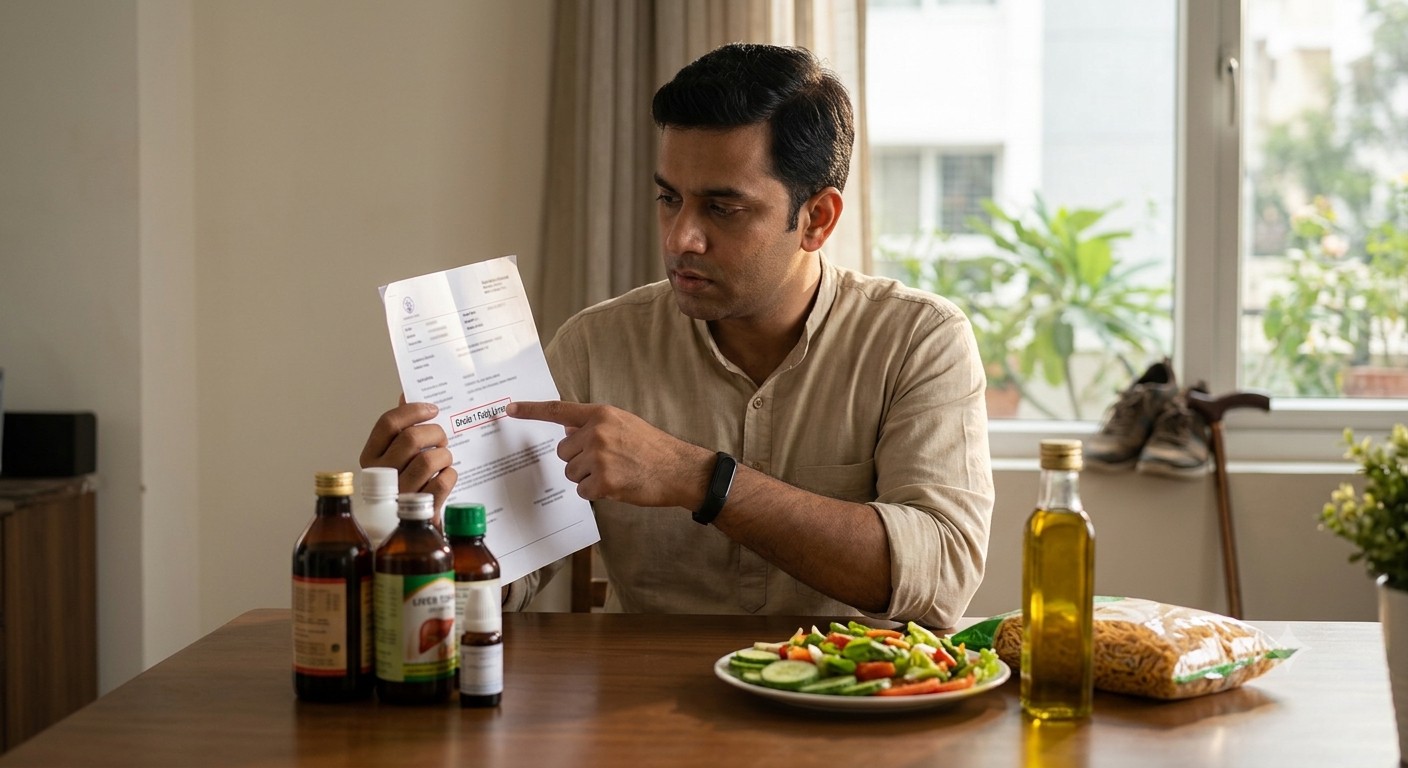
It usually starts on a quiet Saturday afternoon. You open the PDF attached to your annual corporate health checkup, expecting the usual routine numbers. Instead, your eyes lock onto a bold sentence under the Abdominal Ultrasound section: "Mild diffuse hepatic steatosis — Grade 1 Fatty Liver." Within an hour, the family WhatsApp group weighs in. A well-meaning relative sends a photo of a brown herbal syrup promising to "flush toxins in 10 days." An uncle suggests cut-off all oil immediately, while a colleague insists that only heavy drinkers get liver issues, so the scan must be wrong. If you are looking at your diagnostic report feeling confused, anxious, or tempted to order quick-fix tonics online, take a deep breath. Let us separate widespread fatty liver myths from metabolic science—and build a calm, practical roadmap that actually works.
What Is Fatty Liver, Really?
Your liver naturally holds a tiny amount of fat. However, when fat accounts for more than 5% to 10% of the liver's total weight, it is classified as hepatic steatosis (commonly known as Non-Alcoholic Fatty Liver Disease or NAFLD, recently renamed MASLD—Metabolic Dysfunction-Associated Steatohepatitis). Think of your liver as a busy metro junction. Every spoonful of sugar, refined flour, excess oil, and broken sleep passes through it. When you consume more energy than your body burns, your liver stores the excess as triglycerides inside its own cells. In urban India, young adults in their 20s, 30s, and 40s are receiving fatty liver diagnoses at unprecedented rates. This is rarely driven by heavy alcohol consumption alone. Instead, it is tied closely to metabolic health:
- Insulin Resistance: High blood sugar forces the liver to convert excess glucose into fat.
- Visceral Adiposity: Fat accumulated around the abdomen (belly fat) leaks fatty acids directly into the portal vein heading straight to the liver.
- Hormonal Factors: Conditions like Polycystic Ovary Syndrome (PCOS) and hypothyroidism slow down basal metabolic rates and increase fat accumulation.
- Sedentary Workplaces: Sitting for 8 to 10 hours a day reduces insulin sensitivity in skeletal muscles, forcing the liver to process unspent calories.
Busting the 5 Biggest Fatty Liver Myths in India
Myth 1: Only Alcoholics Get Fatty Liver
- The Truth: You can be a lifelong teetotaller and still develop Grade 1 or Grade 2 fatty liver.
While excessive alcohol consumption causes alcoholic hepatitis, the vast majority of urban Indian cases are non-alcoholic. The primary drivers are high-glycemic carbohydrates, sweetened beverages, midnight snacks, and a lack of daily physical movement. In fact, lean individuals with normal Body Mass Index (BMI) but high abdominal fat—often called "skinny fat"—frequently get diagnosed with metabolic liver fat.
Myth 2: Grade 1 Is Nothing to Worry About (Or It Is an Immediate Crisis)
- The Truth: Both extremes are harmful.
Grade 1 fatty liver is not an emergency, nor is it a death sentence. It is an early metabolic "check engine" light. If ignored for a decade, liver fat can progress to inflammation (NASH), scarring (fibrosis), and eventually severe tissue damage. However, at Grade 1, your liver cells retain remarkable regenerative capacity. It is the best possible time to take action.
Myth 3: A Bottle of Liver Tonic or Drops Will Melt the Fat
- The Truth: No syrup, drop, or herbal mixture can dissolve fat stored inside liver cells.
Liver tonics and mother tinctures are extremely popular in Indian households. While certain bitter herbs can support bile flow and ease indigestion or bloating, they do not burn fat calories. Relying on a bottle of syrup while keeping the same sedentary lifestyle and sugar intake will yield zero change on your next scan.
Myth 4: You Must Go Zero-Oil and Starve Yourself
- The Truth: Extreme starvation diets force your body into breakdown mode, which can actually worsen liver stress.
Fatty liver is not caused by standard amounts of healthy cooking oil alone; it is caused by overall caloric excess and refined sugars. Removing all healthy fats (like mustard oil, groundnut oil, or a spoonful of ghee) deprives you of essential fat-soluble vitamins. The goal is portion control and cooking quality, not starvation.
Myth 5: Homeopathy "Flushes Detox Toxins" in 7 Days
- The Truth: Your liver does not need a "7-day flush." Your liver is your detox organ.
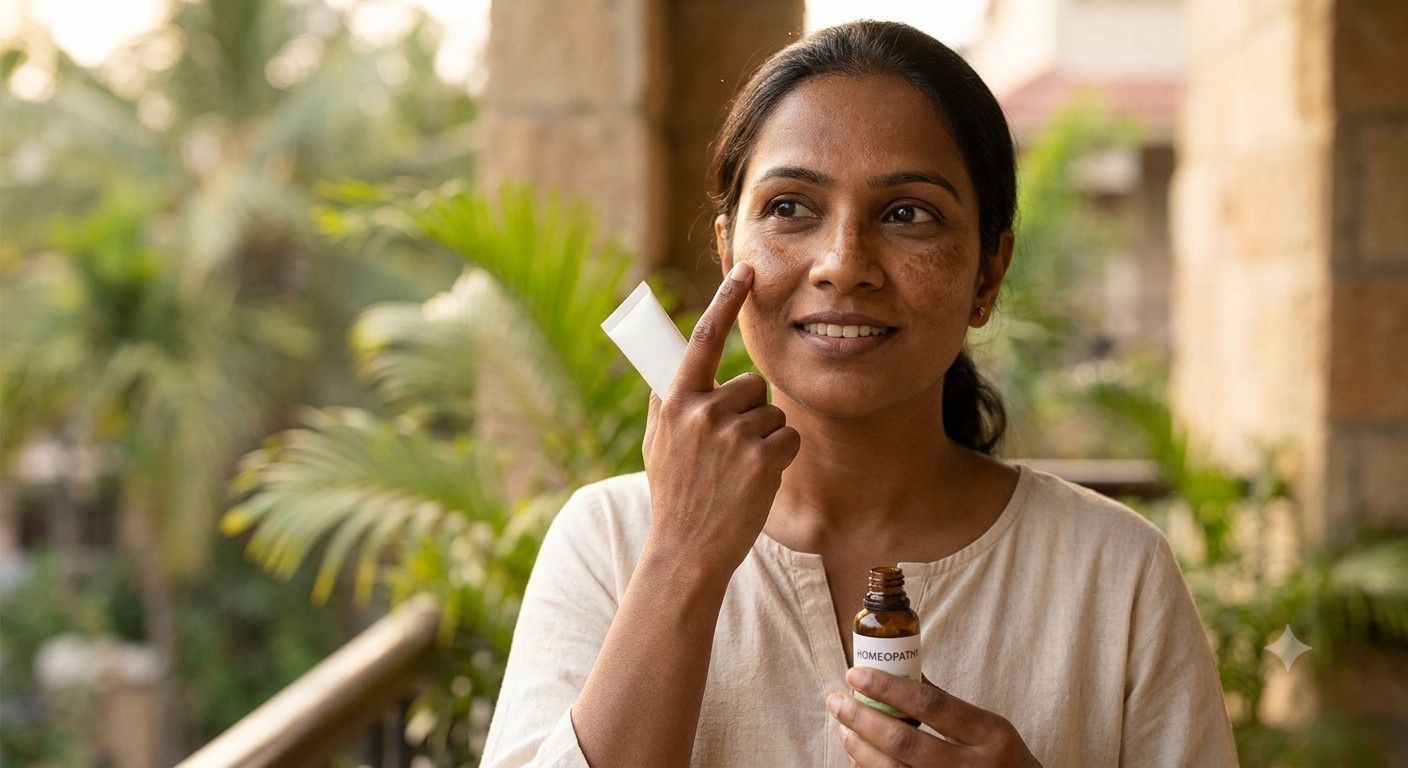
Homeopathy does not act as a vacuum cleaner that vacuoms fat off the liver in a week. Claims of "100% fast fat clearance" are fraudulent marketing. Homeopathy works as an adjunct—supporting overall digestion, gut motility, and metabolic balance—over months, not days.
The Realistic 8-to-12-Week Metabolic Reset Plan
Reversing early liver fat does not require extreme juice fasts or expensive retreat packages. It requires consistent, repeatable daily habits.
1. Re-engineer the Indian Plate
You do not need to abandon Indian home food. You simply need to change the ratios on your plate:
- Fill Half Your Plate with Vegetables: Subzi, cooked greens, cucumbers, and salad.
- Quarter Plate Protein: Dal, paneer, sprouts, eggs, fish, or lean chicken.
- Quarter Plate Smart Carbs: Replace polished white rice and refined flour (maida) with hand-pounded rice, oats, jowar, bajra, or whole wheat rotis.
Cut Hidden Sugars: Stop drinking commercial fruit juices, energy drinks, and heavily sweetened chai or coffee. Liquid sugar rushes directly to the liver, where it converts straight into fat.
2. Move 150 Minutes Every Week
Exercise acts like medicine for liver cells. When your muscles contract, they burn stored glycogen and pull glucose out of your bloodstream, reducing the workload on your liver.
- Brisk Walking: Aim for 30 minutes, 5 days a week. Walking fast enough to raise your heart rate is sufficient.
Post-Meal Strolls: A simple 10-minute walk after lunch and dinner prevents sharp post-meal glucose spikes.
- Strength Exercises: 2 days of basic bodyweight exercises (squats, wall push-ups) help build muscle tissue that consumes glucose efficiently.
3. Protect Your Sleep Window
Chronic sleep deprivation increases cortisol (stress hormone) levels and triggers nighttime cravings for high-carb foods. Aim for 7 to 8 hours of uninterrupted sleep every night. Try to eat dinner at least 2 to 3 hours before going to bed so your liver can rest during sleep rather than processing heavy midnight meals.
Where Homeopathy Fits (And Where It Does Not)
Many individuals explore homeopathic medicines when looking at liver health options. It is crucial to understand what homeopathy can and cannot do.
Educational Overview of Common Remedies
Homeopathic literature frequently references several classic preparations for liver and digestive support:
- Chelidonium Majus: Historically cited in homeopathic pharmacopeias for upper-right abdominal heaviness, sluggish digestion, and nausea after greasy food.
Carduus Marianus (Milk Thistle): Widely recognized for its supportive role in liver discomfort, fullness, and digestive sluggishness.
- Lycopodium Clavatum: Often considered when liver sluggishness coexists with lower-abdominal bloating, gas, and intense sweet cravings.
Nux Vomica: Frequently discussed in relation to modern urban lifestyles—sedentary desk habits, high stress, late nights, and overindulgence in rich food or coffee.
- Honest Expectations: Adjunct vs. Primary Treatment
- The Reality Check: Homeopathic mother tinctures or diluted remedies cannot replace physical exercise, calorie control, and blood sugar management.
If you choose to use homeopathic remedies, view them purely as a supportive adjunct for your overall digestive wellness. They are meant to complement—never replace—a clean diet, daily walking, and conventional medical checkups.
- You can explore supportive formulations in our liver complaints shop to complement your lifestyle efforts.
When Self-Treatment Is Dangerous: Red Flags
While Grade 1 fatty liver can be safely managed over time with lifestyle adjustments and routine checkups, certain symptoms demand immediate hospital care. Never self-treat or rely on over-the-counter remedies if you experience:
- Jaundice: Yellowing of the eyes, skin, or dark tea-colored urine.
Abdominal Swelling (Ascites): Rapid accumulation of fluid in the abdomen or severe leg swelling.
- Unexplained Bleeding: Vomiting blood or passing black, tarry stools.
- Mental Confusion or Lethargy: Sudden memory loss, slurred speech, or extreme disorientation.
- Severe Alcohol Withdrawal: Tremors, hallucinations, or seizures following abrupt alcohol cessation.
If any of these signs appear, consult a gastroenterologist or hepatologist immediately.
Frequently Asked Questions
Can fatty liver be reversed?
Yes. Grade 1 metabolic liver fat is fully reversible. Because liver cells have high regenerative capacity, reducing body weight by 5% to 10%, cutting sugar, and walking daily can help clear accumulated fat over 3 to 6 months.
Does only alcohol cause fatty liver?
No. Non-Alcoholic Fatty Liver Disease (NAFLD) is caused by insulin resistance, refined carbohydrates, excess calories, and sedentary habits. Teetotallers can and do develop fatty liver.
Can homeopathy cure fatty liver?
No single system of medicine "cures" fatty liver through drops alone. Homeopathy may offer digestive support, but fat reduction requires active lifestyle changes, physical activity, and dietary discipline.
Do liver syrups work to clear fat?
No. Over-the-counter liver syrups do not melt or dissolve fat inside liver tissue. While some herbal syrups ease indigestion or sluggishness, they cannot replace caloric restriction and exercise.
How long does it take to reverse Grade 1 fatty liver?
With consistent dietary modifications, 150 minutes of weekly exercise, and weight optimization, ultrasound improvements are typically visible within 8 to 12 weeks, with significant resolution in 6 to 12 months.
- Summary: Walking Beats Tonics
Your "Grade 1 Fatty Liver" ultrasound result is not a crisis—it is a timely invitation to adjust your habits. Skip the quick-fix 3-day detox juices, ignore overnight cure claims, and focus on what science proves: half a plate of vegetables, 30 minutes of daily walking, good sleep, and guidance from a qualified practitioner. Explore our curated range of digestive support products at the Kapsule.fit shop, or browse our latest insights on gut health on the Kapsule.fit journal.